❝We wanted the same meals just without what comes after..❞
In Kerala, food is not just eating. It's the appetizing aroma of masala at 6 pm, rice with a well-prepared curry, and some fried chicken on the side. Nobody wants to give that up. We didn't either.
But over time, the body starts asking questions. High cholesterol, risk of heart disease, metabolic issues—the list goes on and on. We wanted something that could sit inside the same masala, the same kadai and actually taste like the dish without what usually follows.
And Soya Paneer was the answer. We make it ourselves, fresh every morning from quality checked soybeans, here in Malappuram, with love and care. So when it goes into your curry, it soaks up the masala and tastes the way you want it to be.
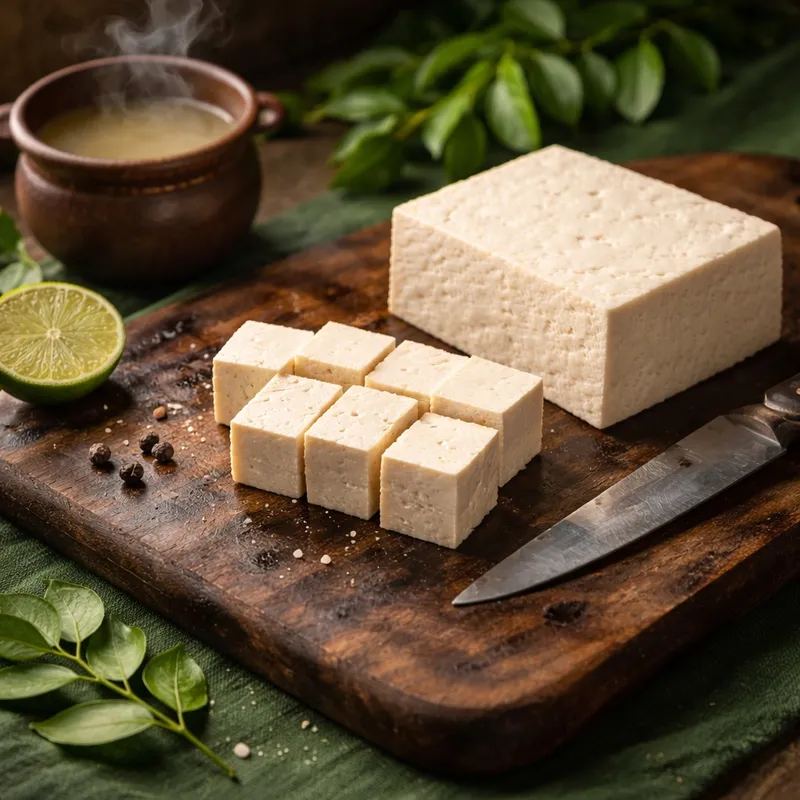
From Soybean to Your Kitchen
We don't outsource any part of production. We do the entire process in-house. From soaking the beans to packing the final block, happens here in Karuvarakundu.
Sourcing and Soaking the Soybeans
We start with non-GMO soybeans, checked every batch before they enter the facility. The beans are washed and soaked overnight, so they're ready to press the next morning.
Making Fresh Soy Milk
The soaked beans are ground with clean water to extract thick soy milk. We separate the liquid from the pulp carefully. The leftover pulp, called okara, goes into our baked goods.
Curdling (Exactly Like Paneer)
We heat the soy milk gently and add a natural setting agent — the same process used to make dairy paneer. The milk separates into soft curds. No artificial hardeners, no shortcuts. This is why it cooks so similarly to paneer in your kadai.
Pressing into a Firm Block
The curds are scooped into moulds and pressed to remove excess water. We press it just right — firm enough to hold shape in a curry, soft enough to soak up your spices.
Chilling and Packing Fresh
The finished blocks are chilled, cut to size, and vacuum-sealed the same morning. No sitting in cold storage for days. It reaches your kitchen as fresh as it can be.
We Believe in Complete Transparency
Most food brands tell you the product is good. We'd rather show you exactly what's in it, where it comes from, and how it's made. No bogus claims. Just the facts.
Soya Paneer Tastes Totally Different From Paneer
Most people who haven't tried Soya Paneer assume it to be bland, something made only because it's healthy. And we can't blame them. Mostly likely they've only tasted the standard paneer. However, that's not the case with Soya paneer.
You see, standard paneer comes with a very strong milky flavour. That's why even when you add masala, it still tastes "paneery".
Now, when it comes to Soya Paneer, it almost has no flavour of its own. Instead of competing with your masala, it assimilates. It absorbs. You get to taste the dish, not what it's made from!
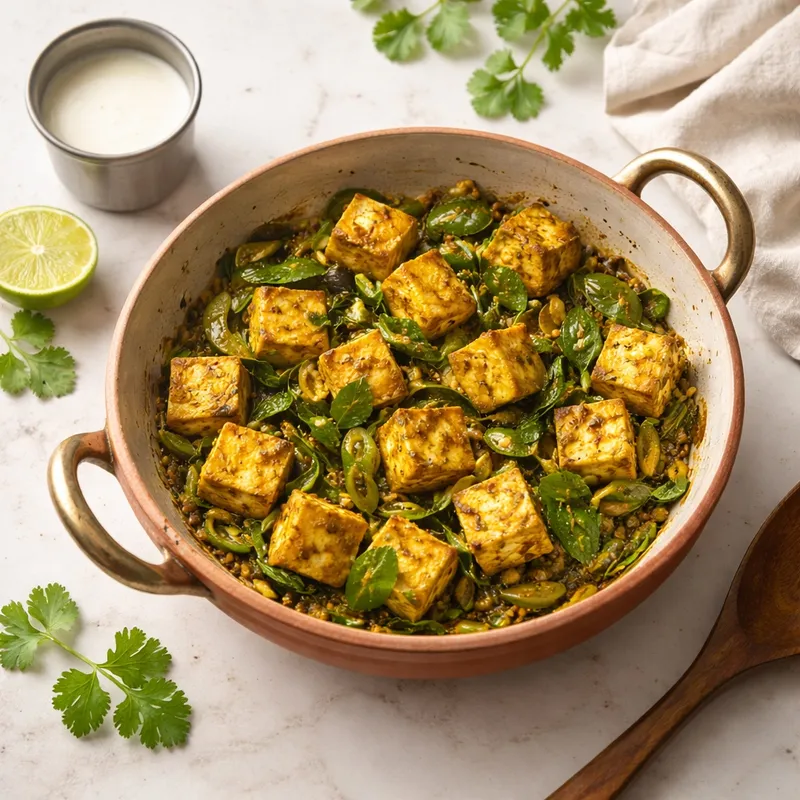
Delicious pan-fried Tofu prepared with pepper and coriander!
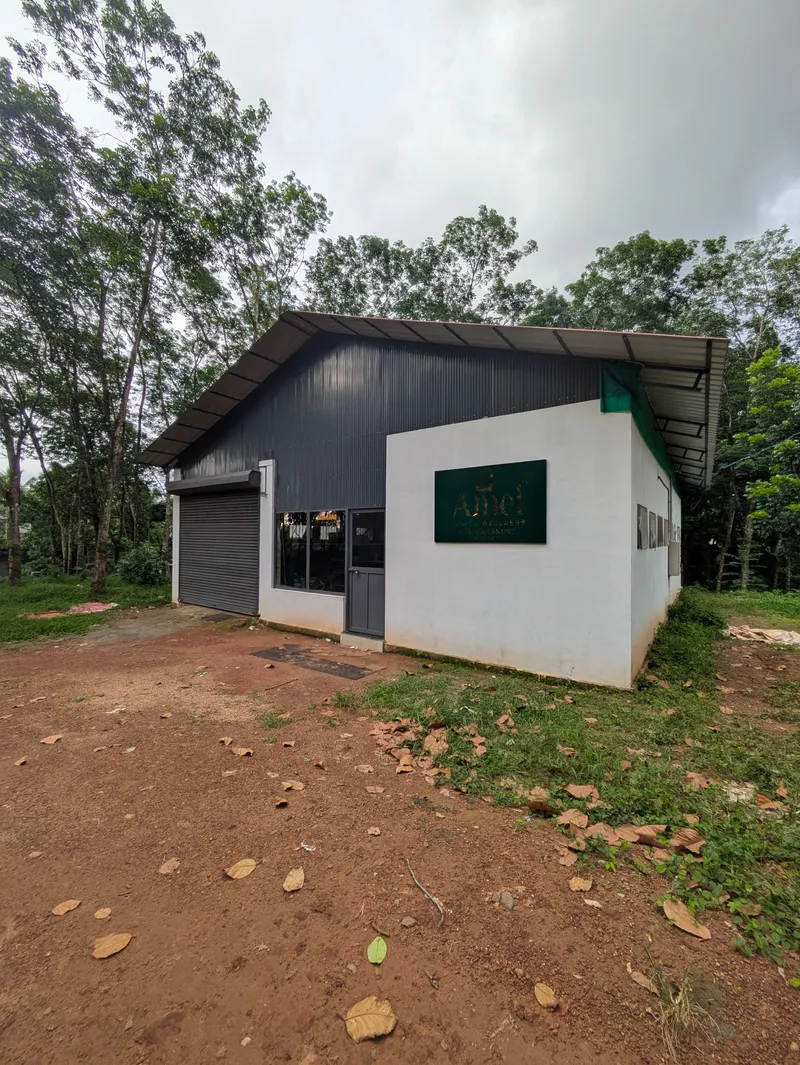
This is where our story started taking shape. Here's a photo of our production unit.
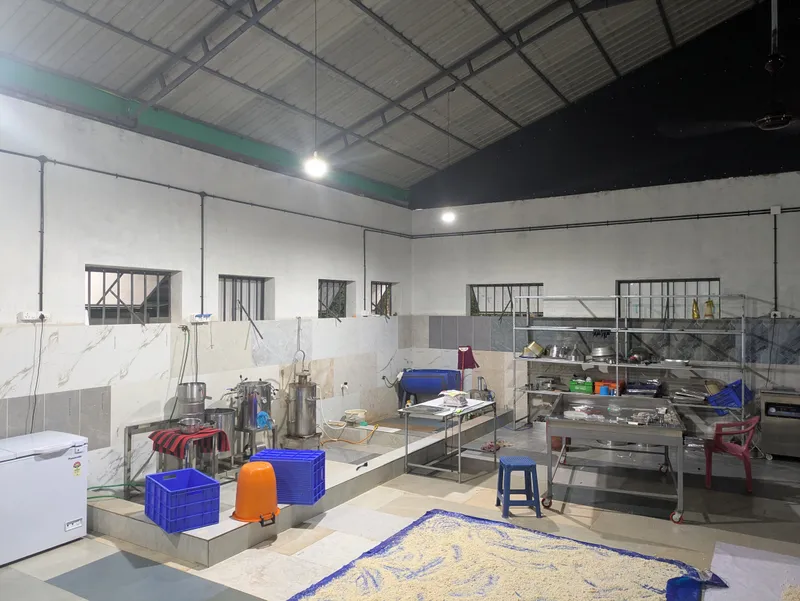
This is where we prepare, press, and vacuum-pack fresh tofu blocks every morning.
This is where our story started taking shape. Here's a photo of our production unit.
This is where we prepare, press, and vacuum-pack fresh tofu blocks every morning.
From a Family Kitchen to Kerala's Plates
We started in 2025 with a simple goal: help our own family eat good food without compromising taste and health. What we began as experimentation at home soon grew into a small hardworking team.
Where We Started
We spent months testing soy milk curds in our kitchen, trying to find the perfect texture that could absorb the rich spices of Kerala cooking. We tried and start loving it. That gave us the courage to share with neighbours. The overall support laid the foundation for our company in Karuvarakundu. Today, every block is prepared and hand-packed by us.
Where We're Going
We are expanding across Kerala, one customer at a time. Tofu is still new term to most households. Our goal is to make it a familiar, everyday ingredient in Kerala curries, dry fries, and roasts. We are proud to build a local food brand from Malappuram.